
Saving money is important for many reasons. It helps you buy things you need. It also makes you feel safe. But many people find saving money hard. This guide will show you simple ways to save money. You can start today. No matter where you live or how much you earn, these tips work.
Why Should You Save Money?
Saving money is good for your future. Here are some reasons why saving is important:
- Emergency funds: You need money for surprises like health problems or car repairs.
- Big purchases: You can buy a house, a bike, or a computer without borrowing.
- Education: Save money to pay for school or courses.
- Peace of mind: Knowing you have money saved reduces stress.
Step 1: Make a Simple Budget
A budget is a plan for your money. It shows how much money you get and spend. Making a budget is the first step to save money.
Here is how to make a budget:
- Write down all the money you earn each month.
- List all your spending, like food, rent, and transport.
- Subtract your spending from your income.
- See how much money is left. This is what you can save.
Keep your budget simple. Use paper or a phone app to track your money.
Step 2: Cut Unnecessary Spending
Look at your spending list. Find things you do not need or can spend less on. Here are some ideas:
- Make food at home instead of eating out.
- Use public transport or walk instead of a taxi.
- Buy second-hand clothes or items.
- Turn off lights and devices when not in use to save electricity.
Even small changes help you save money. Try to spend less on things that are not important.
Step 3: Save Small Amounts Every Day
You do not need a lot of money to start saving. Saving a small amount every day can add up.
Try these ideas:
- Put some coins in a jar each day.
- Save money from discounts or sales.
- Keep your spare change after shopping.
Over time, small savings become big savings.
Step 4: Set a Saving Goal
Having a goal makes saving easier. You know why you save money.
Goals can be:
- Buying a new phone.
- Going on a trip.
- Saving for school fees.
Write your goal down. Check your progress every week or month. This keeps you motivated.
Step 5: Use a Separate Saving Place
Keep your saving money in a separate place. This helps you not to spend it by mistake.
You can try:
- Opening a bank saving account.
- Using a small box or jar at home.
- Having a mobile app for savings.
Choose what is easy and safe for you.
Step 6: Avoid Debt When Possible
Debt means borrowing money you must pay back. It can cost you more money with interest. Try to avoid debt as much as you can.
Here are some tips:
- Buy only what you can pay for now.
- Save money before buying big things.
- If you have debt, pay it off as soon as possible.
Step 7: Look for Discounts and Deals
Many stores offer discounts and sales. Use them to save money.
Some ways to find deals:
- Check flyers or ads before shopping.
- Ask for student or senior discounts if you qualify.
- Buy items in bulk if you use them often.
Be careful not to buy things you do not need just because they are on sale.
Step 8: Make Your Own Food and Drinks
Buying food and drinks outside can be expensive. Making your own saves money and is healthy.
Try these ideas:
- Prepare lunch at home for school or work.
- Make coffee or tea at home instead of buying.
- Cook meals in large amounts and save leftovers.
Step 9: Use Public Resources
Public resources are things you can use for free or low cost.
Examples include:
- Libraries for books and internet access.
- Public parks for exercise and fun.
- Community centers for classes or events.
Using these helps you save money on entertainment and learning.
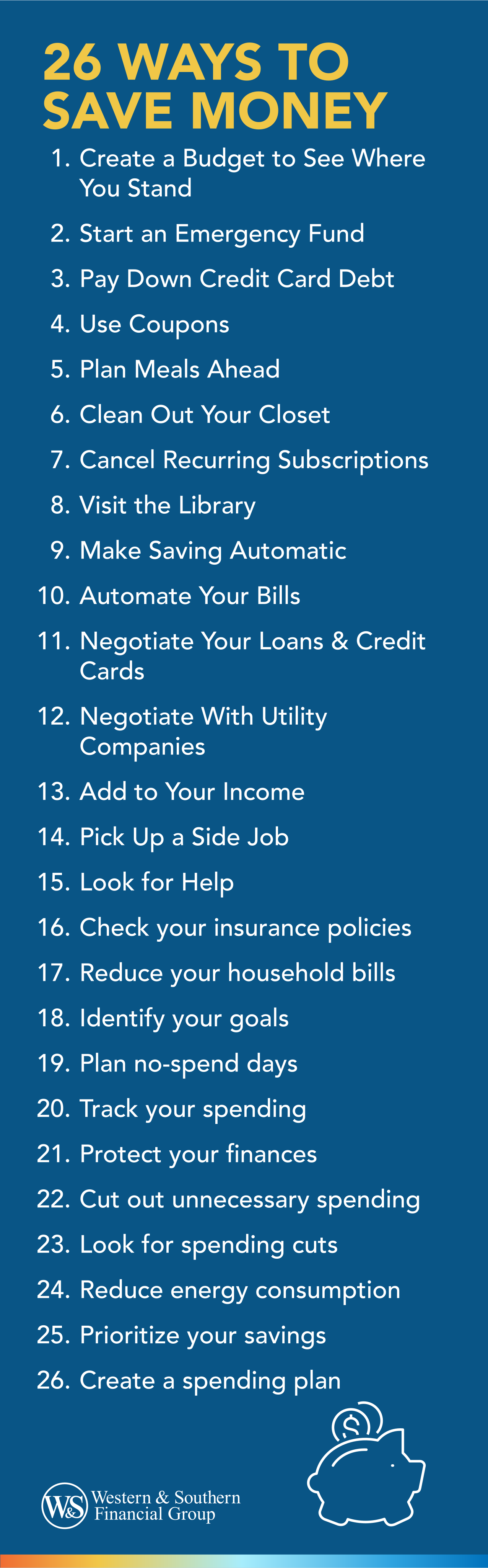
Credit: www.westernsouthern.com
Step 10: Track Your Progress
Check your saving plan often. See how much money you saved. Look at your spending to find new ways to save.
Writing down your progress helps you stay focused. It also shows you what works and what does not.
Simple Budget Table Example
| Item | Amount (USD) |
|---|---|
| Income | 500 |
| Rent | 150 |
| Food | 100 |
| Transport | 50 |
| Utilities | 30 |
| Other spending | 70 |
| Total Spending | 400 |
| Money to Save | 100 |
Final Thoughts
Saving money is not hard if you follow simple steps. Start by making a budget. Spend less on things you do not need. Save small amounts every day. Set clear goals for your savings. Keep your saved money separate from spending money. Avoid debt and look for discounts. Use public resources and make your own food. Track your progress to stay on track.
Saving money is for everyone. You do not need a lot of money to start. The important thing is to begin and keep going. Your future self will thank you.
Frequently Asked Questions
What Are The Easiest Ways To Save Money Daily?
Start by tracking your expenses and cutting small, unnecessary costs. Simple habits like making coffee at home save money fast.
How Can Budgeting Help Me Save Money?
Budgeting shows where your money goes and helps control spending. It keeps your savings goal clear and focused.
Why Is Saving Money Important For Emergencies?
Savings act as a safety net during unexpected expenses. It prevents debt and stress when urgent costs arise.
How Much Money Should I Save Each Month?
Try saving at least 10% of your income. Even small amounts grow over time with consistency.