
Imagine waking up every day without the weight of debt dragging you down. What if you could boost your credit score faster than you think, just by making a few simple changes?
This isn’t about complicated tricks or long waits. It’s about smart, easy swaps that anyone can do. Ready to take control of your money and move toward being debt-free forever? Keep reading—your financial freedom starts now.
Why Credit Scores Matter
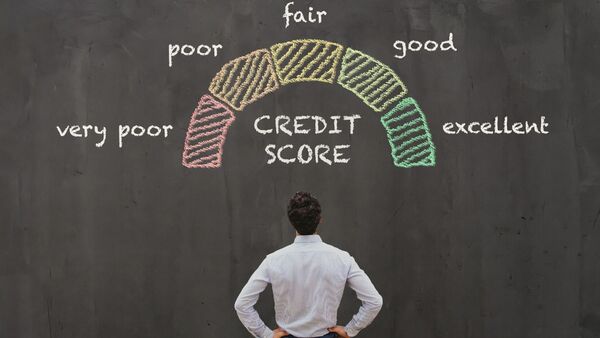
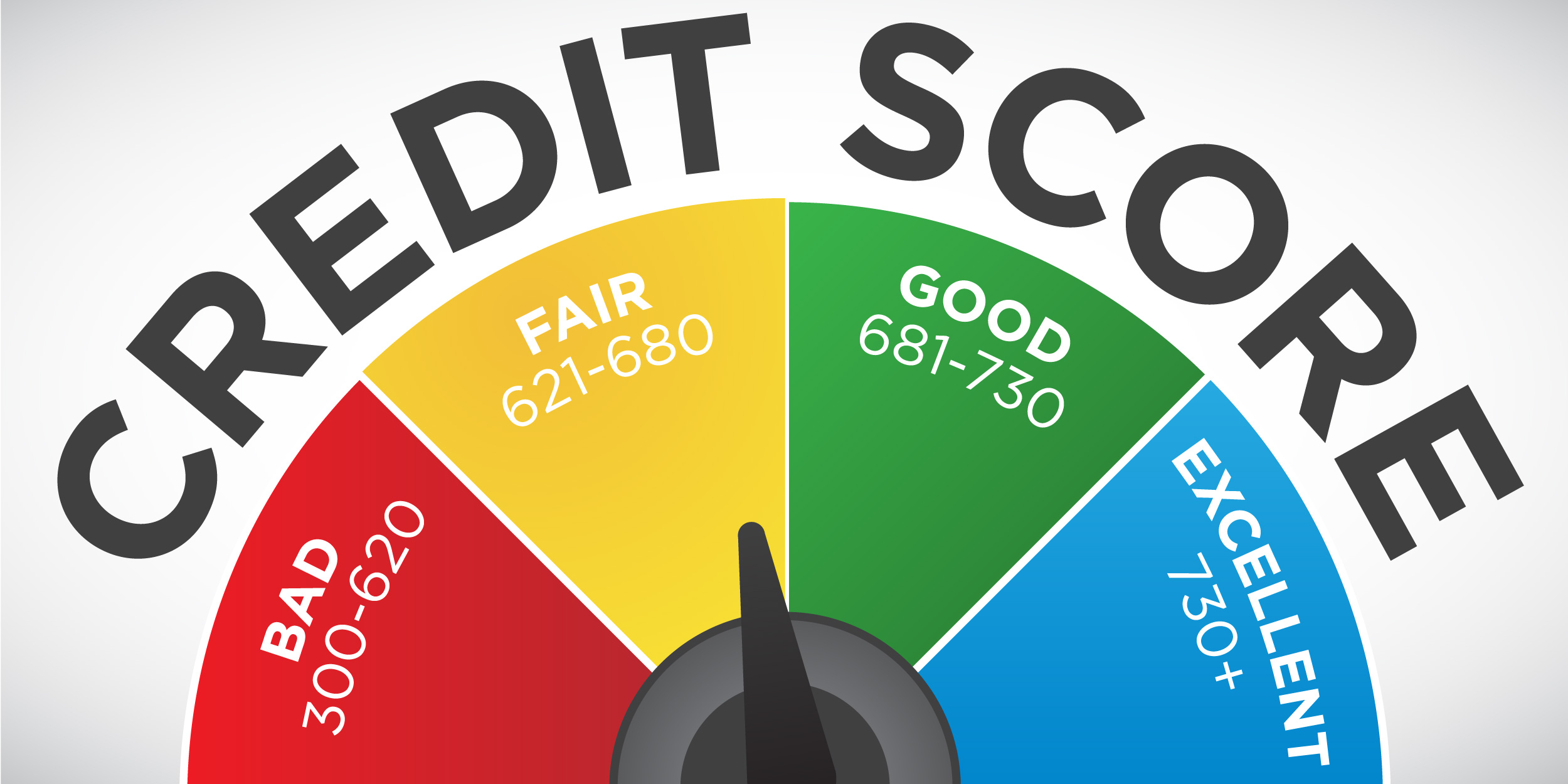
Your credit score is more than just a number. It shows how you manage money and debt. This score affects many parts of life. Keeping a good credit score opens doors to better financial options. A low score can close those doors, making life harder. Understanding why credit scores matter is the first step to improving your financial health.
Impact On Loans And Interest Rates
Lenders use credit scores to decide loan approval. A high score means you are less risky to lenders. This often leads to lower interest rates on loans. Lower rates save you money over time. A low score might mean higher rates or loan denial. Good credit helps you get better deals on homes, cars, and more.
Effects On Renting And Employment
Landlords check credit scores before renting homes. A good score shows you pay bills on time. This can increase your chances of getting a rental. Some employers review credit scores during hiring. They use it to see how responsible you are. A poor score may hurt your chances of getting a job. Keeping your credit score healthy helps in many life areas.
Common Credit Mistakes To Avoid
Many people struggle with credit mistakes that hurt their scores. These errors slow down your path to debt freedom. Avoiding common credit pitfalls can improve your score and reduce stress. Here are key mistakes to watch out for.
Late Payments And Their Consequences
Paying bills late can cause serious damage to your credit score. Even one missed payment can stay on your report for years. Late payments increase your debt and make lenders see you as risky. Set reminders or automate payments to avoid this problem.
Maxing Out Credit Cards
Using all your credit limit lowers your score quickly. High credit usage shows you rely too much on borrowing. Aim to keep your credit use below 30% of your limit. This simple change helps lenders trust you more.
Ignoring Credit Reports
Many people do not check their credit reports regularly. Errors or fraud can go unnoticed and harm your score. Review your report at least once a year. Report mistakes to fix them fast and keep your credit healthy.
Simple Swaps To Boost Your Credit
Improving your credit score can feel hard. Simple changes make a big difference. These swaps help your credit grow steady and strong. You don’t need extra money, just smart habits.
Start with easy steps anyone can do. Your credit will thank you.
Automate Your Payments
Paying bills late harms your credit score. Set up automatic payments. This stops missed or late payments. Your credit history stays clean and on time. Automating payments saves stress. It keeps your credit healthy without extra effort.
Reduce Credit Utilization
Credit utilization means how much credit you use. Keep this below 30% of your limit. Lower utilization looks good to lenders. Pay down balances quickly. Spread out charges across cards. This shows you manage credit well and responsibly.
Diversify Your Credit Types
Having different types of credit helps. Try a mix of credit cards, loans, or a mortgage. This shows lenders you can handle many debts. Avoid opening too many accounts at once. Build variety slowly and carefully for steady score growth.
Smart Habits For Debt Freedom
Smart habits build a strong foundation for debt freedom. Changing daily money habits helps improve credit scores. Simple, steady actions make big differences over time. Focus on practical steps anyone can follow. Consistency is key to breaking free from debt.
Create A Realistic Budget
Start by listing monthly income and expenses. Include all bills, food, transport, and extras. Set spending limits for each category. Track every expense to stay within limits. Adjust the budget as you learn your habits. A clear budget prevents overspending and saves money.
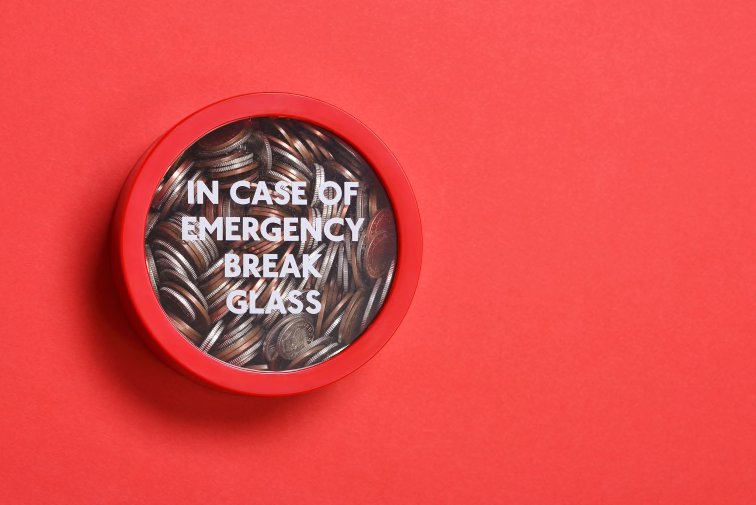
Build An Emergency Fund
Save a small amount each month for emergencies. Aim for at least three months of expenses. This fund stops you from using credit cards in crises. Keep the money in a separate, easy-access account. An emergency fund brings peace of mind and control.
Prioritize High-interest Debts
Focus on paying off debts with the highest interest rates first. This reduces the total amount you owe faster. Make minimum payments on other debts to avoid penalties. Use extra money to lower high-interest balances quickly. This strategy saves money and improves your credit score.
Tools And Resources To Help
Managing your credit and debt can feel overwhelming. Using the right tools and resources helps you stay on track. These aids make it easier to watch your credit score and pay off debt faster. Here are some helpful options to consider.
Credit Monitoring Services
Credit monitoring services keep an eye on your credit report. They alert you to changes or suspicious activity. This helps you catch errors or fraud early. Many services offer free basic monitoring. Paid plans often provide more detailed reports and advice.
Debt Repayment Apps
Debt repayment apps help you plan and track payments. They show how much you owe and suggest payment strategies. Some apps create a budget and remind you of due dates. Using these tools keeps your debt visible and manageable.
Financial Counseling Options
Financial counselors give personalized advice on credit and debt. They help create budgets and repayment plans. Many non-profit organizations offer free or low-cost counseling. Speaking with a professional can provide clarity and support during tough times.
Frequently Asked Questions
How Can I Improve My Credit Score Quickly?
Focus on paying bills on time, reducing credit card balances, and disputing errors on your credit report. These simple swaps boost your score steadily.
What Are Simple Swaps To Become Debt-free?
Swap unnecessary spending for budgeting, consolidate high-interest debts, and automate payments. These habits help you save money and pay off debt faster.
Does Paying Off Debt Increase Credit Score?
Yes, paying off debt lowers credit utilization and shows responsible credit management, which positively impacts your credit score.
How Often Should I Check My Credit Report?
Check your credit report at least once a year to spot errors and track your progress. This keeps your credit healthy.
Conclusion
Taking small steps can improve your credit score steadily. Paying bills on time helps build trust with lenders. Reducing debt little by little frees up more cash. Swapping spending habits supports better financial health. Staying consistent makes these changes last longer.
Your credit score will rise with patience and care. Keep focused on your money goals each day. Debt-free living feels peaceful and brings real freedom. Start today, and watch your financial future brighten. Simple swaps lead to big results over time.