

Imagine having a financial safety net that keeps you calm no matter what surprises life throws your way. What if you could build that emergency fund faster than you think—just 90 days?
You don’t need to be a money expert or have a huge paycheck to make it happen. This guide will show you exactly how to budget like a boss and stack up your savings step by step. Ready to take control of your money and feel secure?
Keep reading, because your financial peace of mind starts right here.
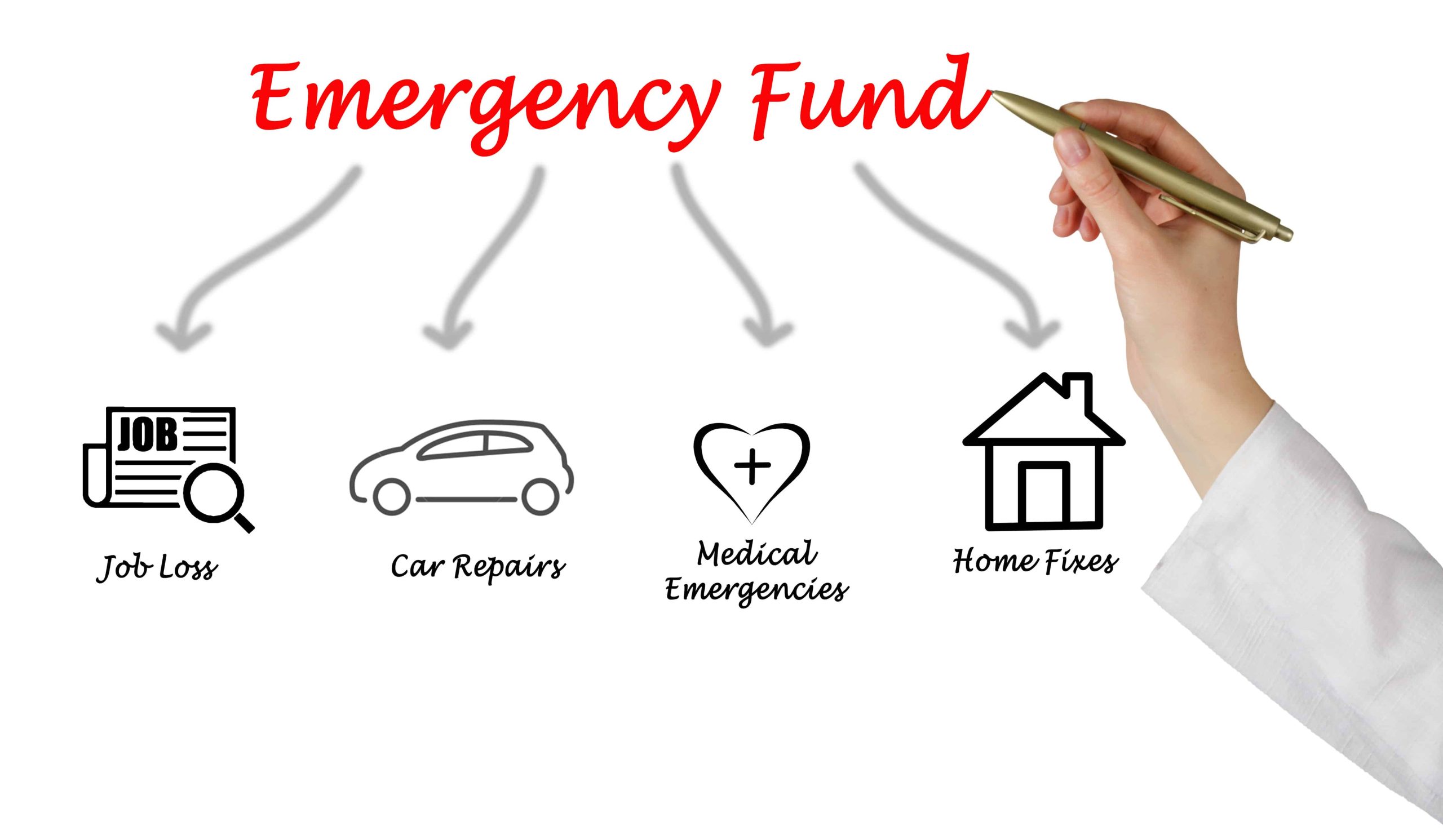
Set Clear Savings Goals
Setting clear savings goals is the first step to building an emergency fund fast. It helps you stay focused and track your progress. Clear goals make saving less confusing and more achievable. You know exactly what to save and by when. This section breaks down how to set these goals smartly.
Determine Your Target Amount
Decide how much money you want in your emergency fund. A good rule is to save three to six months’ worth of expenses. Think about rent, food, bills, and any other essentials. Write down the total amount. This number will be your saving target.
Break Down The Timeline
Set a clear deadline for your savings goal. Since the plan is 90 days, divide your target by 90. This gives you a daily saving goal. Or multiply it by weeks for weekly targets. Smaller goals feel easier and keep you motivated.
Prioritize Your Emergency Fund
Make saving your emergency fund a top priority. Treat it like a bill that must be paid every month. Cut back on non-essential spending to free up money. Avoid using the fund for anything other than emergencies. Keep your goal in mind to stay disciplined.
Tracking your income and expenses is the first step to building an emergency fund. You must know exactly how much money comes in and where it goes. This clear view helps you control your finances better. It also shows areas where you can save money fast.
Create A Detailed Budget
Start by listing all sources of income. Include your salary, side jobs, and any other earnings. Next, write down every expense, from rent to coffee. Be precise and honest. Use a notebook or a budgeting app to keep track. A detailed budget gives you a clear picture of your money flow.
Identify Spending Patterns
Look closely at your expenses over a few weeks. Notice any regular habits or big purchases. Are you spending a lot on dining out or subscriptions? Spotting these patterns helps you see where your money leaks. This insight is key to making smart cuts.
Cut Non-essential Costs
Trim expenses that are not necessary. Cancel unused memberships and reduce eating out. Choose cheaper alternatives for entertainment and shopping. Small cuts add up quickly. These savings can go straight into your emergency fund.
Boost Your Income Quickly
Boosting your income fast helps build your emergency fund quickly. Extra money speeds up saving. It also reduces stress about unexpected expenses. Focus on simple, effective ways to earn more now. Small efforts add up over 90 days.
Explore Side Hustles
Side hustles offer flexible ways to earn extra cash. Choose jobs that fit your schedule. Driving for rideshare apps or delivering food works well. Freelance writing or virtual assisting suits those who like working online. Pick something you enjoy. Consistency brings steady income.
Sell Unused Items
Look around your home for items you no longer need. Old clothes, gadgets, or furniture can bring quick cash. Use online marketplaces or local buy-and-sell groups. Clear clutter and boost your savings at the same time. Every dollar counts toward your emergency fund goal.
Leverage Skills For Extra Cash
Think about your skills and talents. Offer tutoring, graphic design, or pet sitting services. Many people pay for helpful skills. Promote your services on social media or community boards. Use your strengths to earn more money fast. This method often pays better than general side jobs.
Automate Your Savings
Automating your savings makes building an emergency fund easier. It removes the need to remember saving each month. Your money moves on its own. This simple step helps you stay on track and reach your goal faster.
Set Up Automatic Transfers
Set a fixed amount to transfer from your checking to savings account. Choose a date close to your payday. This ensures you save before spending. Automatic transfers keep your savings consistent. No effort needed after setting it up.
Use Savings Apps
Savings apps help you save small amounts daily or weekly. They round up your purchases or let you set goals. These apps make saving fun and easy. They track your progress and remind you to save more.
Create Separate Savings Account
Open a savings account only for your emergency fund. Keep it separate from your daily money. This reduces the chance of spending your savings. It also helps you see your fund grow clearly. A separate account keeps your goal clear.
Stay Motivated Throughout The Journey
Staying motivated is key to building your emergency fund in 90 days. The journey can feel long and tiring. Small steps might seem slow. Keeping your energy up helps you push through. Motivation keeps your eyes on the goal. It turns challenges into opportunities. Here are ways to stay motivated throughout your saving journey.
Track Progress Regularly
Watch your savings grow every week. Use a simple chart or app to record deposits. Seeing numbers increase boosts your confidence. It makes your goal feel real and close. Regular tracking helps catch mistakes early. It also shows how far you have come. Tracking keeps your focus sharp and clear.
Celebrate Milestones
Set small goals on the way to 90 days. Celebrate when you save your first $100 or $500. Treat yourself with small rewards that do not break the bank. This makes saving fun and exciting. Milestones show progress and build positive habits. Celebrations remind you why you started. They give a fresh burst of energy.
Find Support And Accountability
Share your goal with a friend or family member. Ask them to check on your progress now and then. Support makes saving less lonely and stressful. It feels good to share wins and challenges. Accountability helps you stay honest and consistent. Find a group or online community with similar goals. Together, you will stay motivated and stronger.
Prepare For Future Financial Security
Preparing for future financial security starts with smart planning today. Building an emergency fund protects you from unexpected costs. It gives peace of mind and helps avoid debt. This section shows how to keep your budget strong and save for the long term. Small steps lead to big results.
Review And Adjust Budget
Check your budget often to see what works. Track your spending every week. Cut out small expenses that add up fast. Adjust your plan as your income or bills change. Stay flexible. A budget is a tool, not a rule. Keep it simple and clear to follow.
Plan For Long-term Savings
Think beyond emergencies. Set goals for future needs like a car or home. Save a little from every paycheck. Use separate accounts to keep money safe. Watch your savings grow over time. Consistency matters more than big amounts at once.
Build Healthy Financial Habits
Save regularly, even if it’s a small amount. Avoid impulse buys by waiting 24 hours before buying. Use cash more often to control spending. Learn to say no to unnecessary expenses. These habits help keep your money safe and your goals clear.
Frequently Asked Questions
How Much Should I Save For An Emergency Fund?
Aim to save at least three to six months’ worth of essential expenses. This fund covers unexpected costs like medical bills or job loss. Start small, and increase savings gradually over 90 days to build a solid financial safety net.
What Is The Best Way To Start Budgeting Fast?
Track your income and expenses daily. Use budgeting apps or spreadsheets to categorize spending. Cut unnecessary costs immediately. Allocate a fixed amount weekly toward your emergency fund. Consistent monitoring helps you stay on track and reach your 90-day savings goal.
Can I Build An Emergency Fund With A Low Income?
Yes, start by saving small amounts regularly. Prioritize needs over wants and reduce discretionary spending. Even saving $10 a week adds up over time. Focus on steady progress, and your emergency fund will grow within 90 days.
How Do I Stay Motivated To Save Money Quickly?
Set clear, achievable goals and visualize financial security. Celebrate small milestones to maintain momentum. Automate transfers to your emergency fund to avoid skipping deposits. Consistency and positive reinforcement help you build your fund in just 90 days.
Conclusion
Building your emergency fund in 90 days is possible. Start small and stay consistent every week. Track your spending and cut unnecessary costs. Save a bit from each paycheck without fail. Watch your savings grow faster than you think. Feel more secure and ready for surprises.
Your future self will thank you for this. Take control of your money today. Budget like a boss and build your safety net now.