
Your credit score is a number. It shows how good you are at paying money back. Banks and lenders use this score. They decide if they can trust you with money. A good score can help you get loans or credit cards. A low score can make this hard. Many people want to know how to manage their credit score. It is not hard. You only need to follow some simple steps. This guide will help you understand your score. It will also show you how to keep it high.
What Is a Credit Score?
A credit score is a number. It usually goes from 300 to 850. The higher the number, the better your credit. If your score is high, lenders think you pay back money on time. If it is low, they worry you might not pay back. Your credit score is made from many parts. These parts tell a story about your money habits. The score looks at how you use money borrowed from banks. It also looks at your past payments and debts.
Why Is a Good Credit Score Important?
A good credit score can help you a lot. For example:
- Get loans or credit cards easily.
- Pay lower interest rates.
- Rent a home or apartment faster.
- Sometimes get jobs that check credit.
Because of these reasons, managing your credit score is very important.
How Is Your Credit Score Calculated?
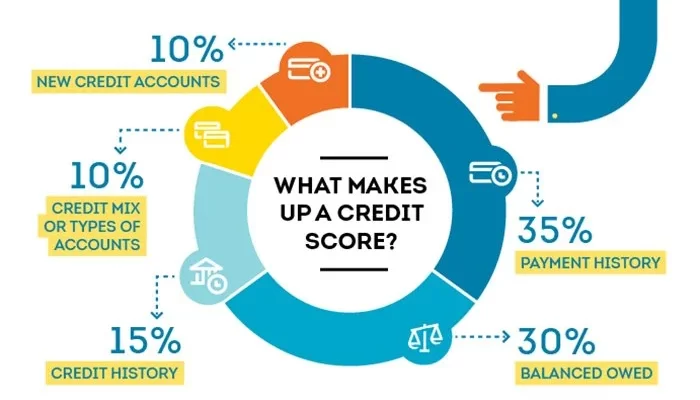
Your score depends on five main parts:
| Factor | How Much It Affects Your Score | What It Means |
|---|---|---|
| Payment History | 35% | Paying bills on time |
| Amounts Owed | 30% | How much debt you have |
| Length of Credit History | 15% | How long you have used credit |
| New Credit | 10% | Recent credit accounts or inquiries |
| Types of Credit Used | 10% | Different kinds of credit accounts |

Step 1: Check Your Credit Report Regularly
First, you need to know your credit score and report. A credit report shows your credit history. You can get a free report once a year. Visit official websites or agencies that provide it. Look for mistakes in your report. Sometimes, wrong information lowers your score. If you find errors, report them. Fixing mistakes can help your score improve.
Step 2: Pay Your Bills on Time
Paying bills on time is very important. Even one late payment can lower your score. Set reminders or use automatic payments. This way, you will not forget to pay bills. Remember, paying on time shows you are responsible.
Step 3: Keep Your Debt Low
Do not use all your credit at once. If you have a credit card, keep the balance low. Banks like to see that you use only a small part of your limit. This is called credit utilization. Try to keep your credit utilization under 30%. For example, if your credit limit is $1000, use less than $300.
Step 4: Avoid Opening Many New Accounts
Opening many new accounts in a short time can hurt your score. Each time you apply for credit, lenders check your report. Too many checks make your score lower. Only open new accounts when you really need them.
Step 5: Keep Old Credit Accounts Open
Length of credit history matters. The longer you have credit, the better your score. Do not close old accounts if you do not have to. They show you have experience managing credit.

Step 6: Use Different Types of Credit
Having different types of credit can help your score. This means loans, credit cards, or other credit forms. But only take credit you can handle. Do not get loans you do not need.
Step 7: Plan Your Payments
If you have many debts, plan how to pay them. You can pay the smallest debts first or the ones with the highest interest. Choose what works best for you. Paying off debts slowly but surely will improve your score over time.
Step 8: Avoid Missing Payments
Missing payments can hurt your credit score a lot. Try to pay at least the minimum amount each month. If you cannot pay the full amount, pay what you can. Contact your lender if you have problems paying. They may offer help or a payment plan.
Step 9: Use Credit Cards Wisely
Credit cards can help build your score. Use them for small purchases. Pay the full amount every month if possible. This shows you can use credit responsibly.
Step 10: Check Your Score Often
Check your credit score regularly. It helps you see how your actions affect your score. Many websites offer free credit score checks. Use them to stay informed.
Summary: Simple Ways to Manage Your Credit Score
- Check your credit report each year.
- Pay all bills on time.
- Keep your credit card balance low.
- Don’t open many new accounts quickly.
- Keep old credit accounts open.
- Use different types of credit carefully.
- Plan your payments and pay debts steadily.
- Never miss a payment if you can help it.
- Use credit cards for small expenses and pay fully.
- Check your credit score often to track progress.
Managing your credit score is about good habits. It takes time and care. But it is worth it. A good credit score opens many doors. Start today. Take small steps. You will see results soon.
Frequently Asked Questions
What Is A Credit Score And Why Does It Matter?
A credit score is a number that shows your credit risk. Lenders use it to decide if they will lend you money. A good score helps you get better loan offers.
How Often Should I Check My Credit Score?
Check your credit score at least once every three months. This helps you spot mistakes or fraud early. Many services offer free credit score checks.
Can Paying Bills Late Affect My Credit Score?
Yes, paying bills late can lower your credit score. Timely payments show you are reliable. Even one late payment can hurt your score.
Does Closing Old Credit Cards Hurt My Credit Score?
Closing old credit cards can lower your credit score. It reduces your available credit and shortens your credit history. Keep old cards open if they have no fees.