
Investing money is important. It helps you save for the future. But, not every stage of life needs the same plan. Your investment strategy should change as you grow older. This article explains how to invest at different ages. It will help you make smart choices with your money.
Why Change Your Investment Strategy?
Life changes. So do your money needs. When you are young, you have time. You can take more risks. When you get older, you want safety. You want to protect what you earned. Because of this, your investments should be different at each stage.
Stage 1: Your 20s – Start Early and Take Risks
In your 20s, time is your best friend. You can start investing small amounts. The money can grow for many years. The key is to take risks because you have time to fix mistakes.
- Focus on growth: Choose stocks or funds that can grow fast.
- Invest regularly: Put some money every month.
- Learn about investing: Read books, watch videos, or ask experts.
- Don’t worry about short losses: Markets go up and down.
Example: If you invest $100 every month in stocks, it can grow a lot in 30 years.
Stage 2: Your 30s – Balance Risk and Safety
In your 30s, life gets busy. Maybe you have a family or a home. You still want growth but also need some safety.
- Mix your investments: Use stocks and bonds together.
- Save for big goals: Like buying a house or kids’ education.
- Keep emergency money: Have cash for unexpected needs.
- Review your investments: Check them at least once a year.
This stage is about balance. Grow your money but don’t take too many risks.
Stage 3: Your 40s – Focus More on Stability
In your 40s, you might have more responsibilities. Kids may go to school. You want to protect your savings.
- Lower risk investments: Choose safer stocks and bonds.
- Increase savings: Save more for retirement.
- Plan for future expenses: College, home repairs, or health costs.
- Think about insurance: Life and health insurance protect your family.
At this stage, safety becomes more important than high returns.
Stage 4: Your 50s – Prepare for Retirement
In your 50s, retirement is near. You want to keep your money safe. But you also need some growth to fight inflation.
- Focus on income: Invest in bonds or dividend stocks.
- Reduce risky investments: Avoid very volatile stocks.
- Maximize retirement accounts: Use all tax benefits available.
- Plan withdrawals: Think how and when you will use your money.
This stage is about steady income and protecting your savings.
Stage 5: Your 60s and Beyond – Preserve Wealth and Enjoy Life
After 60, you may be retired. Your money should last many years. Safety is the top priority.
- Use low-risk investments: Bonds, savings accounts, or fixed deposits.
- Keep some growth: Small part in stocks to beat inflation.
- Budget carefully: Plan your expenses and income.
- Consider estate planning: Prepare your will and property plans.
Preserving money helps you live comfortably without worry.
How to Adjust Your Investment Over Time
Changing your investment is simple. You can:
- Review your plan every year.
- Move money from risky to safe investments as you age.
- Use automatic tools like target-date funds.
- Ask for help if unsure.

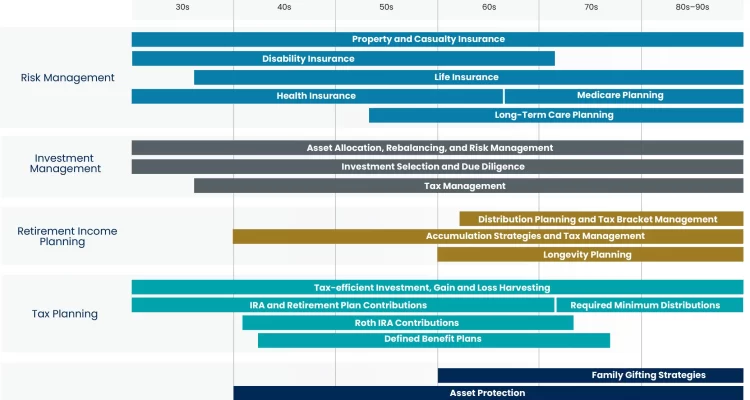
Comparison Table: Investment Focus by Age
| Age Group | Investment Goal | Risk Level | Types of Investments |
|---|---|---|---|
| 20s | Grow money | High | Stocks, mutual funds, ETFs |
| 30s | Balance growth and safety | Medium | Stocks, bonds, real estate |
| 40s | Protect savings, steady growth | Medium-Low | Bonds, dividend stocks, cash |
| 50s | Prepare for retirement | Low-Medium | Bonds, fixed income, dividend stocks |
| 60s+ | Preserve wealth | Low | Bonds, savings accounts, fixed deposits |
Important Tips for All Ages
- Start early: The sooner you invest, the better.
- Be consistent: Invest regularly, even small amounts.
- Diversify: Don’t put all money in one place.
- Keep learning: Understand where you put your money.
- Stay patient: Investments take time to grow.
Frequently Asked Questions
What Is The Best Investment For Young Adults?
Young adults should focus on long-term growth with stocks or mutual funds. Risk tolerance is higher, so growth assets suit well.
How Should Retirees Invest Their Money?
Retirees need safe investments like bonds and fixed deposits. Income stability and capital preservation matter most.
Why Diversify Investments At Every Life Stage?
Diversification reduces risk by spreading money across assets. It helps protect your portfolio from big losses.
When To Shift From Stocks To Bonds?
Shift gradually as you near retirement to reduce risk. Bonds provide steady income and lower volatility.
Conclusion
Investing is a journey. Your plan changes with your age and life goals. Young people can take risks and aim for growth. Middle age needs balance and safety. Older adults focus on preserving wealth. Following the right strategy helps you have money when you need it most. Start today and adjust your plan as you grow.