
Imagine waking up every day feeling refreshed, energized, and ready to take on anything. What if the secret to living longer and feeling better isn’t in a complicated routine but in simple changes you can make tonight?
You deserve to unlock the power of deep, restful sleep and break free from the constant buzz of digital distractions. This article will reveal easy, practical sleep secrets and digital detox tips that can transform your wellness and boost your vitality.
Keep reading—your best, healthiest self is just ahead.

Credit: www.talktoangel.com
Benefits Of Quality Sleep
Quality sleep plays a crucial role in overall health and wellness. It affects how you feel, think, and function daily. Good sleep helps your body heal and your mind stay sharp. It supports a strong immune system and balances hormones. Without enough rest, your body struggles to perform at its best.
Understanding the benefits of quality sleep can encourage better habits. Better sleep means better health and a longer life. Here are key benefits that quality sleep offers for your body and mind.
Impact On Longevity
Sleep helps the body repair and regenerate cells. It lowers the risk of chronic diseases like heart disease and diabetes. People who sleep well tend to live longer. Poor sleep increases inflammation and weakens the immune system. Restful nights support a longer, healthier life.
Mental Health Boost
Good sleep improves mood and reduces stress. It helps the brain process emotions and memories. Quality rest lowers the chance of anxiety and depression. Sleep refreshes the mind, making it easier to focus. Better sleep leads to clearer thinking and emotional balance.
Physical Recovery
During sleep, muscles repair and grow stronger. Growth hormone releases, aiding tissue healing. Sleep reduces soreness and speeds up recovery after exercise. It also restores energy for daily activities. Quality sleep supports overall physical strength and stamina.
Common Sleep Disruptors
Sleep is vital for health and wellness. Many factors disturb sleep, making rest difficult. Understanding common sleep disruptors helps improve sleep quality. Better sleep leads to longer life and feeling better every day.
Stress And Anxiety
Stress triggers the body to stay alert. Anxiety keeps the mind racing at night. Both make falling asleep and staying asleep hard. Relaxation techniques can calm the mind before bed. Managing stress supports deeper, more restful sleep.
Caffeine And Diet
Caffeine is a stimulant found in coffee and tea. Consuming caffeine late disrupts the natural sleep cycle. Heavy meals before bedtime can cause discomfort and restlessness. Eating light, healthy food in the evening promotes better sleep. Watch what you eat and drink to protect your rest.
Environmental Factors
Noise, light, and room temperature affect sleep quality. A noisy or bright room confuses the brain’s sleep signals. Too hot or cold rooms make it hard to relax. Creating a quiet, dark, and comfortable space helps the body rest. Control your environment for peaceful, uninterrupted sleep.
Techniques For Better Sleep
Good sleep is key to living longer and feeling better. It helps the body heal and the mind stay clear. Many people struggle with sleep, but simple methods can improve it a lot. These techniques focus on building habits, changing your space, and calming your mind.
Establishing A Routine
Going to bed and waking up at the same time helps your body clock. This routine makes falling asleep easier and sleep deeper. Try to keep it even on weekends. Avoid naps late in the day. Your body learns when to rest and when to wake.
Creating A Sleep-friendly Environment
Make your bedroom a place for rest only. Keep it cool, dark, and quiet. Use blackout curtains to block light. Turn off noisy devices or use earplugs. Choose a comfortable mattress and pillows. Remove screens and bright clocks that distract you.
Relaxation Practices
Calm your mind before bed with simple exercises. Deep breathing slows your heart and eases tension. Try gentle stretches or light yoga. Reading a book can also help you unwind. Avoid stressful thoughts or work tasks. These habits signal your brain it is time to sleep.
Role Of Digital Detox
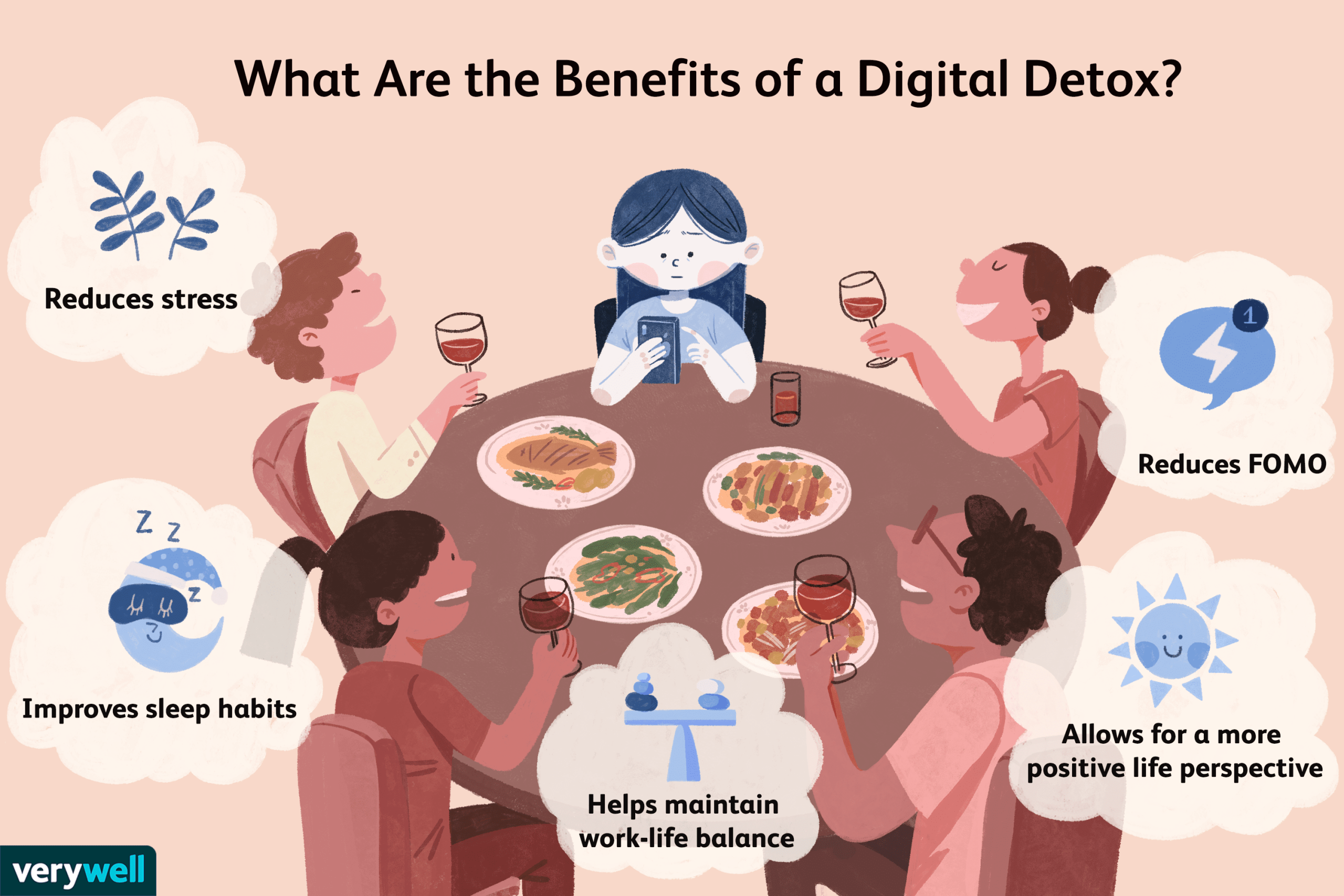
Digital detox plays a key role in improving sleep and overall wellness. Our constant use of phones, computers, and TVs affects how well we rest. Taking time away from screens helps the body relax and prepares the mind for deep sleep. It also lowers stress and boosts mood.
Reducing screen time in the evening supports better sleep quality. The body’s natural rhythm relies on signals from light and darkness. Digital detox helps restore this balance for lasting health benefits.
Effects Of Screen Time On Sleep
Using screens before bed disrupts the body’s natural sleep cycle. The light from devices tricks the brain into thinking it is daytime. This lowers melatonin, a hormone that helps us fall asleep.
Too much screen time can cause trouble falling asleep and reduce deep sleep phases. Poor sleep leads to tiredness, low energy, and weak immune function. Avoiding screens before bedtime improves sleep and overall wellness.
Reducing Blue Light Exposure
Blue light from screens is the main cause of sleep disruption. It signals the brain to stay awake and alert. Reducing blue light exposure in the evening supports better melatonin production.
Using “night mode” settings or blue light filter apps helps lower blue light. Wearing glasses that block blue light also reduces its effects. These steps help the body prepare for restful sleep.
Setting Digital Boundaries
Creating clear limits around screen use supports a successful digital detox. Set a specific time to stop using devices each night. Avoid screens at least one hour before bedtime for better rest.
Designate device-free zones in the home, such as the bedroom. Replace screen time with calming activities like reading or meditation. These habits improve sleep quality and help you feel better overall.
Digital Detox Strategies
Digital detox strategies help reduce stress and improve sleep quality. Turning off screens gives your mind a rest. It supports better focus and emotional balance. Simple habits can make a big difference in daily life.
Scheduled Tech-free Periods
Set specific times without any devices. Try no screens during meals or one hour before bed. Consistent breaks help your brain relax. It also lowers exposure to blue light that disrupts sleep.
Mindful Device Usage
Be aware of how you use technology. Avoid aimless scrolling or checking phones constantly. Choose apps and content that add value. Limit notifications to reduce distractions and stress.
Alternative Activities
Replace screen time with healthy hobbies. Read a book, take a walk, or try meditation. Spend time with friends or family face-to-face. These activities refresh your mind and body.
Combining Sleep And Detox For Wellness
Combining good sleep with a digital detox creates a powerful path to better wellness. Both improve how the body and mind work. Sleeping well helps the brain rest and heal. Detoxing from screens reduces stress and improves focus. Together, they build a strong foundation for health and happiness.
Enhancing Sleep Quality
Turning off devices before bed helps the brain prepare for rest. Light from screens can stop the body from making melatonin, the sleep hormone. Without this hormone, falling asleep becomes hard. A digital detox gives your mind a chance to calm down. This calmness leads to deeper, more refreshing sleep.
Boosting Energy And Mood
Good sleep recharges the body and lifts mood. Less screen time means fewer distractions and less anxiety. This balance helps keep energy steady throughout the day. Feeling tired often comes from poor sleep and too much digital noise. Cutting back on screens and sleeping well brings more joy and focus.
Supporting Long-term Health
Sleep and detox work together to protect the heart and brain. Quality rest lowers the risk of many illnesses. Reducing screen time lowers stress hormones that harm the body. Over time, this combination supports a stronger immune system. It also helps maintain a healthy weight and better mental health.
Frequently Asked Questions
How Does Digital Detox Improve Sleep Quality?
Digital detox reduces screen exposure, which lowers blue light impact. This helps regulate melatonin, the sleep hormone. Better melatonin balance leads to deeper, more restful sleep. Avoiding devices before bed also reduces mental stimulation, easing relaxation and faster sleep onset.
What Are The Best Sleep Habits For Longevity?
Consistent sleep schedules promote natural circadian rhythms, improving health. Aim for 7-9 hours of quality sleep nightly. Create a calming bedtime routine and keep your bedroom dark and cool. Avoid caffeine and heavy meals close to bedtime for better rest.
How Can Reducing Screen Time Boost Overall Wellness?
Reducing screen time lowers stress and eye strain. It encourages physical activity and face-to-face interactions. Less screen exposure improves mental clarity and emotional balance. These benefits contribute to improved mood, better sleep, and enhanced long-term health.
Why Is Sleep Important For Feeling Better Daily?
Sleep restores energy, repairs cells, and supports brain function. It enhances mood, cognitive performance, and immune response. Poor sleep leads to fatigue, irritability, and health issues. Quality sleep helps you feel refreshed, focused, and emotionally balanced each day.
Conclusion
Good sleep and less screen time boost your health greatly. Rest heals your body and clears your mind. Digital detox helps you relax and focus better. Small changes in habits bring big wellness rewards. Try to sleep well and limit devices daily.
Feel stronger, live longer, and enjoy life more. Simple steps lead to lasting health improvements. Your well-being depends on choices made every day. Start now for a healthier, happier you.