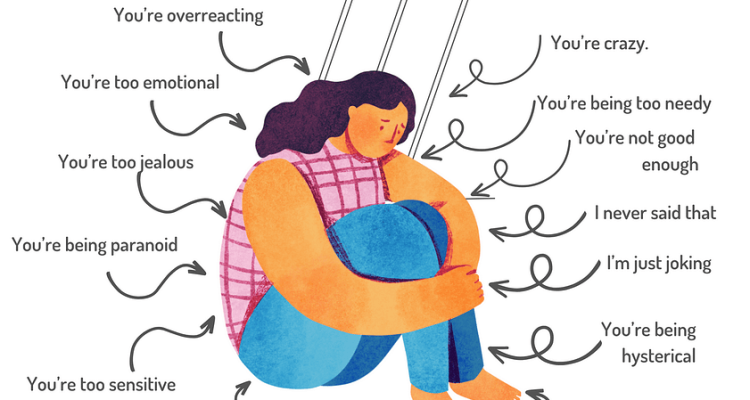

Have you ever felt confused or doubted your own memories after talking to someone? That uneasy feeling might be a sign of gaslighting—a sneaky form of emotional manipulation.
Spotting gaslighting fast can protect your mind and heart from toxic traps that drain your energy and shake your confidence. You’ll discover clear red flags that help you recognize gaslighting early. Knowing these signs puts you back in control, so you can protect yourself and build healthier relationships.
Keep reading to learn how to spot gaslighting before it takes hold.
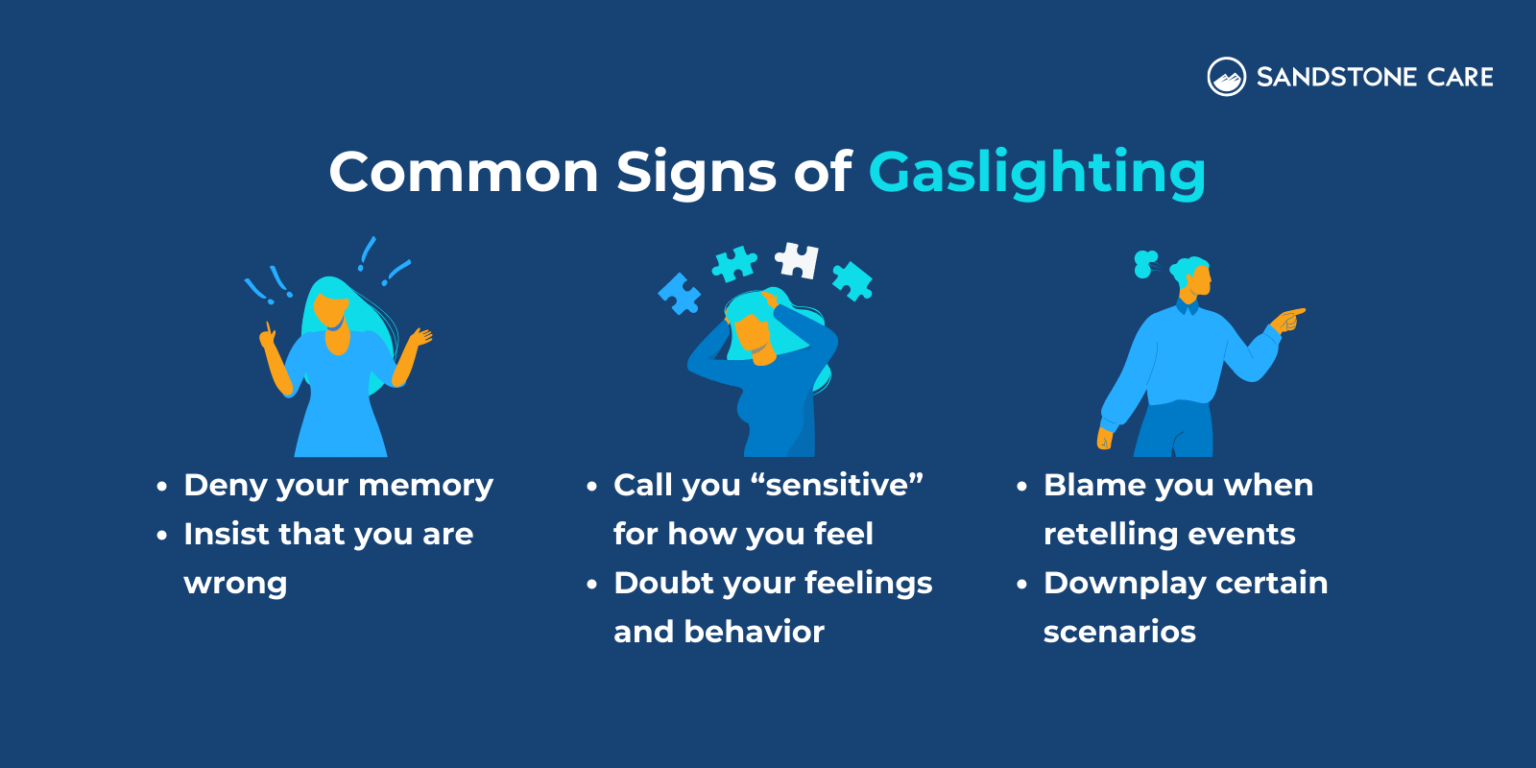
Signs Of Gaslighting
Recognizing gaslighting early can protect your mental health and well-being. Gaslighting is a form of emotional abuse. It makes you doubt your own memory or feelings. Understanding the signs helps you act fast and avoid toxic traps.
Frequent Denial Of Facts
Gaslighters often deny things you know are true. They reject clear facts to confuse you. This makes you question your own memory. They may say, “That never happened,” or, “You imagined it.”
Twisting Your Words
Gaslighters change what you say to suit their story. They twist your words to blame or confuse you. This makes it hard to trust your own voice. You feel misunderstood and unsure.
Blaming You Unfairly
They blame you for problems they caused. You feel guilty even when you did nothing wrong. This shifts responsibility away from them. It keeps you stuck in a cycle of self-doubt.
Minimizing Your Feelings
Gaslighters say your feelings are wrong or silly. They tell you to stop overreacting or being too sensitive. This makes your emotions seem invalid. You start to ignore your own needs.

Credit: medium.com
Common Gaslighting Tactics
Gaslighting is a sneaky form of emotional abuse. It makes you doubt yourself. Recognizing common gaslighting tactics helps protect your mind. These tactics confuse and control you. Knowing them saves you from toxic traps.
Withholding Information
The gaslighter hides important facts. They refuse to share details that matter. This makes you feel lost or confused. You start questioning your own knowledge. They use silence to control the story.
Countering Your Memory
They challenge what you remember. They say things like, “That never happened.” This tactic makes you doubt your mind. You start to feel unsure about your past. It’s a way to rewrite your reality.
Diverting Attention
The gaslighter changes the subject quickly. They avoid the real issue by distracting you. This tactic keeps you off balance. You struggle to focus on your feelings. It’s a trick to avoid responsibility.
Using Compassion As A Weapon
They pretend to care but use it against you. They say, “I’m only trying to help.” This makes you feel guilty or weak. They twist kindness into control. It’s a way to trap your trust.
Emotional Impact Of Gaslighting
Gaslighting leaves deep emotional scars. It slowly breaks down a person’s sense of reality. The emotional impact is often hidden but powerful. Recognizing these effects helps protect your mental health. Below are key emotional signs caused by gaslighting.
Feeling Confused And Doubtful
Gaslighting makes you question your thoughts and memories. You feel unsure about what really happened. This confusion grows over time. Doubt seeps into every decision you make. You start trusting the gaslighter’s version instead of your own.
Loss Of Confidence
Your self-belief takes a hit. The constant denial of your feelings lowers your self-esteem. You begin to think you are wrong or weak. This loss of confidence affects your daily life. It stops you from speaking up or standing tall.
Increased Anxiety And Stress
Gaslighting creates a tense and unsafe environment. Your mind stays on high alert. Anxiety builds as you try to avoid conflict. Stress affects your sleep and focus. The emotional toll can lead to exhaustion and burnout.
Protective Strategies
Protective strategies help you stay strong against gaslighting. They build your confidence and keep your mind clear. These strategies help you notice red flags faster. You feel safer and less confused. Here are key ways to protect yourself.
Trusting Your Perceptions
Your feelings and thoughts matter. Trust what you see and hear. Gaslighters want you to doubt yourself. Don’t let them. Believe in your memory and emotions. They guide you through unclear moments. Your perception is your best tool.
Keeping A Record Of Events
Write down important conversations and incidents. Notes help you remember facts clearly. Dates and details make your case stronger. Records show patterns of gaslighting over time. They give you proof if you need it.
Seeking External Support
Talk to friends or family you trust. Share your experience openly. Others can see what you might miss. Their support makes you feel less alone. Sometimes, a fresh view helps you stay grounded.
Setting Clear Boundaries
Say no to things that harm your mind. Set limits on what you accept. Boundaries protect your peace and self-respect. Make your rules clear and firm. Others learn to treat you with respect.
When To Seek Help
Knowing when to seek help is key to escaping gaslighting. This step can protect your mental health and guide you toward safety. Recognizing the signs early prevents deeper harm. It also gives you control over your life again.
Recognizing Abuse Patterns
Abuse often repeats in clear patterns. You may notice constant blame or denial of your feelings. The abuser might twist facts to confuse you. Feeling doubt about your memory or sanity is a warning sign. Pay attention to how often these patterns occur. Trust your instincts when something feels wrong.
Finding Professional Guidance
Talking to a counselor or therapist helps you see the truth. Professionals provide tools to rebuild your confidence. They offer a safe space to express your feelings. Therapy can teach you how to set strong boundaries. Seek help early to stop the abuse from growing.
Building A Support Network
Friends and family can offer comfort and advice. Choose people who believe and support you. Sharing your experience reduces isolation and fear. Support groups connect you with others facing similar struggles. A strong network helps you stay strong and hopeful.
Frequently Asked Questions
What Are Common Signs Of Gaslighting In Relationships?
Gaslighting signs include constant denial, lying, and twisting facts. Victims feel confused, anxious, and question their memory or reality. Manipulators use blame-shifting and dismiss feelings to control and undermine confidence. Spotting these early helps protect emotional well-being.
How Can I Protect Myself From Gaslighting?
Trust your instincts and document interactions. Set clear boundaries and communicate assertively. Seek support from trusted friends or professionals. Educate yourself about gaslighting tactics to recognize and counter manipulation effectively.
Why Does Gaslighting Affect Victims Deeply?
Gaslighting erodes self-trust and distorts reality, causing emotional distress. Victims often feel isolated, anxious, and lose confidence. This psychological abuse manipulates perceptions, making it hard to distinguish truth from lies.
Can Gaslighting Occur In Workplace Environments?
Yes, gaslighting happens at work through undermining, false accusations, and dismissal of ideas. It creates toxic environments, lowers morale, and impacts mental health. Awareness and reporting are key to addressing workplace gaslighting.
Conclusion
Spotting gaslighting early protects your mind and heart. Trust your feelings when something feels off. Watch for repeated lies or blame-shifting. Don’t ignore confusing or mixed messages. Speak up and set clear boundaries. Surround yourself with people who respect you.
Staying aware helps you avoid toxic traps. Your peace and happiness matter most. Keep these red flags in mind always. Stay strong and take control of your life.