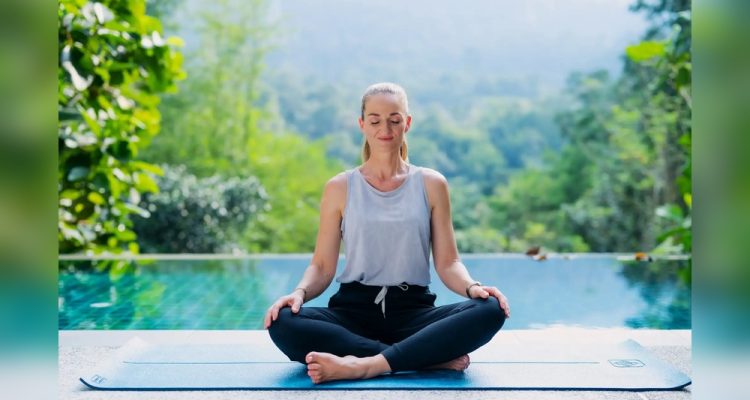

Feeling overwhelmed or stressed can weigh heavily on your mind and body. But what if you could find calm and clarity right where you are, without needing hours of meditation or expensive retreats?
You can. These 10 simple mindfulness hacks are designed to fit easily into your daily routine. They help you unlock inner peace, boost your mental wellness, and regain control over your thoughts. Keep reading to discover how small changes in your everyday habits can make a big difference in how you feel—starting now.

Credit: medium.com
Benefits Of Mindfulness
Mindfulness offers many benefits for your mental health and daily life. It helps calm your mind and brings your attention to the present moment. Practicing mindfulness regularly can improve how you handle stress, focus, and emotions. These benefits make life feel more balanced and peaceful.
Reducing Stress
Mindfulness lowers stress by calming your thoughts and body. It teaches you to notice tension and let it go. This reduces the feelings of anxiety and overwhelm. Stress becomes easier to manage with simple mindfulness exercises.
Improving Focus
Mindfulness trains your brain to stay on one task at a time. It helps stop your mind from wandering. This boosts your ability to concentrate on work or school. Better focus leads to higher productivity and clearer thinking.
Enhancing Emotional Health
Mindfulness helps you understand and accept your feelings. It creates space to respond calmly instead of reacting quickly. This builds emotional strength and reduces mood swings. You feel more balanced and in control of your emotions.
Quick Breathing Techniques
Quick breathing techniques help calm your mind fast. They bring focus and peace in just a few breaths. These simple exercises fit easily into any part of your day. Practice them anywhere—at work, home, or on the go. Here are two effective methods you can start using now.
Box Breathing
Box breathing is easy to learn and very calming. Breathe in for 4 seconds. Hold your breath for 4 seconds. Exhale slowly for 4 seconds. Hold again for 4 seconds. Repeat this cycle 4 to 5 times.
This pattern slows your heart rate. It reduces stress and clears your thoughts. Try it before a meeting or when feeling overwhelmed.
4-7-8 Method
The 4-7-8 method helps you relax and sleep better. Breathe in quietly through your nose for 4 seconds. Hold your breath for 7 seconds. Breathe out slowly through your mouth for 8 seconds.
Repeat the cycle 3 to 4 times. This technique lowers anxiety and calms your nervous system. Use it anytime you need a quick mental break.
Body Scan Practice
The Body Scan Practice helps you connect with your physical self. It brings your attention to each part of your body. This practice calms your mind and reduces stress. It teaches you to notice sensations without judgment.
Body scanning is easy and can be done anywhere. It improves your awareness and promotes relaxation. This practice is a great tool for everyday mental wellness.
Find A Quiet Place
Choose a calm spot where you feel safe. Sit or lie down comfortably. Close your eyes to block distractions. This helps you focus better on your body.
Start From Your Feet
Focus on your toes first. Notice any feelings or tension there. Slowly move your attention up your legs. Take your time to feel each part clearly.
Breathe Deeply And Slowly
Use slow breaths to relax your body. Inhale through your nose, exhale through your mouth. Let your breath guide your focus. Deep breathing reduces stress and keeps you present.
Notice Sensations Without Judgment
Feel warmth, tightness, or tingling without labeling them good or bad. Accept each sensation as it is. This helps you stay calm and aware.
Move Up Your Body
Scan your stomach, chest, and back next. Notice any areas of tension or ease. Slowly continue to your shoulders, arms, and hands. Pay attention to how your body feels.
Focus On Your Neck And Head
Feel your neck and jaw muscles. Relax your face and forehead. Let go of any tightness or discomfort. This releases stress held in your upper body.
Finish With A Full-body Awareness
Take a moment to feel your whole body. Notice how it feels as one unit. Feel grounded and calm. Open your eyes slowly when ready.

Credit: embodiedwellnesscenter.com
Mindful Walking
Mindful walking is a simple way to calm your mind and body. It helps you focus on the present moment while moving. This practice turns an everyday walk into a peaceful experience.
Walking mindfully means paying full attention to each step. You notice your breath, the feeling of your feet on the ground, and the sounds around you. This keeps your mind from wandering and reduces stress.
Focus On Your Breath And Steps
Start by taking slow, deep breaths. Match your breath to your steps. Inhale for a few steps, then exhale for the same count. This rhythm helps you stay present and relaxed.
Notice Your Surroundings
Look around carefully. Observe colors, shapes, and movements. Listen to birds, wind, or distant sounds. These small details connect you with nature and the moment.
Feel Your Body Movements
Pay attention to how your legs and feet move. Notice the shift of your weight with each step. Feel your muscles stretch and relax. This awareness grounds you in your body.
Let Go Of Distracting Thoughts
Thoughts will come, but do not follow them. Gently bring your focus back to walking. Use your breath and steps as anchors. This practice trains your mind to stay calm.
Choose A Quiet Place
Find a peaceful spot to walk, like a park or garden. Quiet places help you hear nature and avoid distractions. This makes mindful walking easier and more enjoyable.
Gratitude Journaling
Gratitude journaling is a simple practice that helps focus on positive moments. Writing down things you are thankful for can improve your mood and reduce stress. It trains the mind to notice the good, even during tough times.
Spending just a few minutes each day on gratitude journaling builds a habit of positivity. This habit supports mental wellness by shifting thoughts away from worries. It creates space for calm and contentment in daily life.
How To Start A Gratitude Journal
Choose a notebook or use an app for your journal. Write three things you feel thankful for every day. They can be big or small, like a kind word or a sunny day. Keep your entries short and honest.
Best Time To Practice Gratitude Journaling
Write in your journal at the same time daily. Many find morning or before bed works well. Morning entries set a positive tone for the day. Evening entries help reflect on good moments before sleep.
Benefits Of Daily Gratitude Journaling
Regular journaling improves mood and lowers anxiety. It helps build a positive outlook on life. Gratitude can increase patience and reduce negative thinking. Over time, it strengthens emotional resilience.
Tips For Keeping Gratitude Journaling Effective
Be specific about what you write. Instead of “I’m thankful for friends,” try “I’m thankful for my friend who called today.” Avoid repeating the same things daily. Mix up your entries to keep your mind engaged.
Digital Detox Tips
Taking breaks from digital devices helps calm your mind and reduce stress. Constant screen time can cause anxiety and make it hard to focus. Digital detox tips can guide you to better mental wellness. Small changes create big benefits for your daily peace and happiness.
Set Specific Screen-free Times
Choose times during the day when you avoid all screens. Morning and bedtime are good moments. This helps your brain rest and lowers stress. Use these times to breathe deeply or enjoy nature.
Create No-phone Zones
Pick places in your home where phones are not allowed. The dining table or bedroom are great choices. This encourages real conversations and better sleep. It also helps your mind feel less busy.
Turn Off Non-essential Notifications
Disable alerts that are not important. This stops constant distractions and keeps you calm. Focus more on tasks without interruptions. Your mind stays clearer and more peaceful.
Use Apps That Limit Screen Time
Install tools that track and reduce your phone use. These apps remind you to take breaks and stay mindful. They help balance digital life and real life. Gradually, your screen time decreases naturally.
Engage In Offline Activities
Spend time reading books, drawing, or walking outside. These activities relax your mind and body. They provide a break from screens and digital noise. Enjoy simple pleasures to boost mental wellness.
Guided Meditation Apps
Guided meditation apps offer simple ways to practice mindfulness daily. They provide easy access to calming exercises and help reduce stress. These apps guide you through breathing, visualization, and relaxation techniques. They suit beginners and those with busy schedules.
Using a guided meditation app can improve focus and emotional health. Short sessions fit into any part of your day. Regular use builds a peaceful mind and better sleep habits.
Choosing The Right Guided Meditation App
Select an app with clear instructions and soothing voices. Look for options that match your time availability. Apps with customizable session lengths help maintain a routine.
Benefits Of Guided Meditation Apps
Apps reduce anxiety and improve mood quickly. They create a quiet space in a noisy world. Daily use strengthens mindfulness and self-awareness.
Features To Look For
Good apps offer a variety of meditation styles. Options like body scan, loving-kindness, and focus meditations add variety. Some include reminders to keep you on track.
Integrating Meditation Apps Into Your Day
Try meditating after waking up or before sleep. Use short sessions during breaks for a calm mind. Consistency helps form a lasting mental wellness habit.
Mindful Eating Habits
Mindful eating habits help you enjoy food and improve mental wellness. Eating with attention brings calm and focus to daily meals. This practice can reduce stress and make meals more satisfying.
Mindful eating means noticing the taste, smell, and texture of each bite. It also means eating slowly and without distractions. This helps you understand your hunger and fullness better.
Focus On Each Bite
Put away phones and screens during meals. Look at your food and smell its aroma. Chew slowly and pay attention to flavors. This keeps your mind in the present moment.
Listen To Your Body
Notice when you feel hungry or full. Stop eating before you feel too full. Trust your body’s signals to guide your eating. This prevents overeating and promotes balance.
Choose Nourishing Foods
Select foods that fuel your body well. Pick fresh fruits, vegetables, and whole grains. Healthy choices support your energy and mood. Eating well helps your mind stay clear and calm.
Create A Calm Eating Space
Eat in a quiet, peaceful place. Avoid noisy or busy environments. A calm setting helps you focus on your meal. This encourages relaxation and better digestion.
Practice Gratitude For Your Food
Take a moment to appreciate your meal. Think about where the food came from. Feeling thankful can improve your mood. Gratitude connects you to the present and reduces stress.
Setting Daily Intentions
Setting daily intentions helps guide your mind and actions. It creates focus and calm in busy days. This simple habit supports mental wellness by bringing awareness to your thoughts and goals.
Each morning, take a moment to decide what you want to feel or achieve. This practice shapes your day with purpose and mindfulness. It encourages positive thinking and reduces stress.
What Are Daily Intentions?
Daily intentions are short, clear statements about your goals or feelings. They focus your energy on what matters most. Unlike rigid plans, intentions allow flexibility and kindness toward yourself.
How To Set Your Daily Intentions
Begin by sitting quietly for a few minutes. Think about what you want for your mind and body today. Use simple words like “calm,” “focus,” or “patience.” Repeat the intention silently or write it down.
Benefits Of Setting Intentions Every Day
This habit improves mood and decision-making. It helps you stay present and less distracted. Intentions boost self-awareness and create a peaceful mindset. Over time, they build resilience against stress.
Tips For Keeping Intentions Realistic
Choose intentions that feel doable and kind. Avoid setting too many or too hard goals. Focus on feelings instead of results. Adjust your intentions as needed throughout the day.
Creating A Mindful Space
Creating a mindful space helps calm your mind and body. It sets a quiet place to practice mindfulness daily.
This space can be small but should feel peaceful and safe. It invites you to focus and breathe deeply.
Choose A Quiet Corner
Pick a spot with little noise and few distractions. A quiet corner helps your mind settle faster.
Use Soft Lighting
Bright lights can be harsh and distracting. Soft lighting creates a warm and calm atmosphere.
Include Natural Elements
Plants, stones, or water features connect you to nature. These items bring calm and help focus your thoughts.
Keep The Space Clean
Clutter causes stress and breaks concentration. A tidy space clears your mind and invites relaxation.
Add Comfortable Seating
Choose a chair or cushion that supports your body well. Comfort helps you stay mindful longer.
Incorporating Mindfulness At Work
Mindfulness at work helps reduce stress and improve focus. It brings calm and clarity to busy days. Practicing mindfulness in the workplace supports better decisions and smoother teamwork.
Small changes can make a big difference. Mindfulness fits into short breaks or daily tasks. Anyone can practice it without needing extra time or space.
Start Your Day With A Mindful Moment
Take a few deep breaths before beginning work. Notice how your body feels. Set a clear intention for the day ahead. This helps you stay calm and focused.
Use Short Breaks To Reset
Pause for one minute every hour. Close your eyes and breathe slowly. Let go of tension in your muscles. These mini-breaks refresh your mind and reduce fatigue.
Practice Mindful Listening
Focus fully on the speaker during conversations. Avoid planning your response while they talk. Notice their tone and words carefully. This builds better understanding and respect.
Create A Mindful Workspace
Keep your desk tidy and free from clutter. Add a small plant or calming object. These simple changes support a peaceful work environment.
Mindful Eating At Your Desk
Eat slowly and notice the flavors and textures. Avoid distractions like phones or emails. This helps you enjoy food and digest better.
Credit: www.weliahealth.org
Frequently Asked Questions
What Are Simple Mindfulness Hacks For Daily Mental Wellness?
Simple mindfulness hacks include deep breathing, mindful walking, gratitude journaling, and focused meditation. These techniques reduce stress and boost mental clarity daily.
How Can Mindfulness Improve My Inner Peace Quickly?
Mindfulness improves inner peace by helping you stay present and reduce negative thoughts. Regular practice calms the mind and enhances emotional balance.
Can Mindfulness Reduce Everyday Stress Effectively?
Yes, mindfulness reduces everyday stress by promoting relaxation and awareness. It helps you respond calmly to challenges instead of reacting impulsively.
How Often Should I Practice Mindfulness For Best Results?
Practicing mindfulness for 5-10 minutes daily yields the best results. Consistency is key to building mental resilience and inner calm.
Conclusion
Practicing mindfulness daily can calm your busy mind. Small habits build steady mental wellness over time. Focus on breathing, notice your thoughts without judgment. These simple hacks help reduce stress and increase calm. Peace grows when you stay present in each moment.
Try one tip today, see how it feels. Keep going, and your mind will thank you. Mental peace is a journey, not a quick fix. Take it step by step, with kindness to yourself. Your inner calm is worth the effort every day.