
Are you tired of feeling like you need someone else to feel complete? It’s time to ditch codependency and discover the power of self-love.
When you build a strong, unshakable love for yourself, you stop relying on others to fill your emptiness. This change not only boosts your confidence but also attracts real, lasting love into your life. You’ll learn simple yet powerful steps to break free from unhealthy patterns and create a foundation of self-worth that draws the right people to you.
Ready to transform your love life from the inside out? Keep reading.
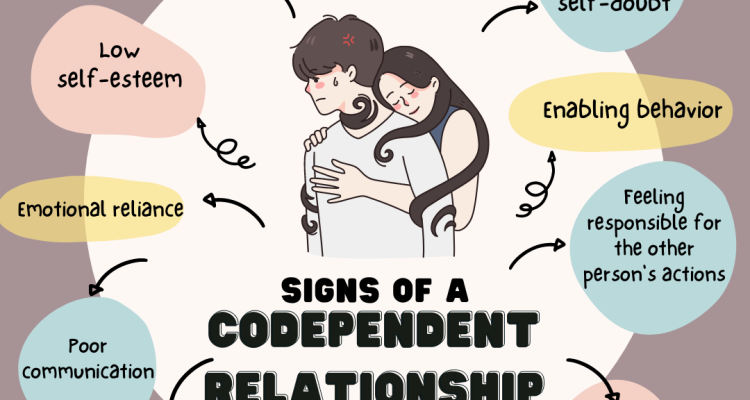
Signs Of Codependency
Codependency can quietly take over your life. It makes you rely too much on others for your happiness and self-worth. Recognizing the signs helps you break free and start loving yourself first. Knowing these signs is the first step toward building real love.
Emotional Dependence On Others
Feeling lost without someone’s approval is a common sign. You may wait for others to decide how you feel. Your mood often changes based on their reactions. This dependence can limit your freedom and peace of mind.
Difficulty Setting Boundaries
Struggling to say no shows weak boundaries. You might agree to things that make you uncomfortable. Fear of upsetting others often controls your choices. Healthy boundaries protect your well-being and respect your needs.
Low Self-worth Patterns
Believing you are not enough is a key sign. You may ignore your own needs to please others. Constant self-doubt and negative thoughts hold you back. Building self-love starts by valuing yourself deeply.
Roots Of Codependency
Codependency grows deep within us. It starts with early experiences and shapes how we see love. Understanding the roots helps us break free. It guides us to build strong self-love that draws true connection.
Exploring these roots shows why codependency feels so hard to leave behind. It reveals patterns formed by family, trauma, and society. Each part plays a role in how we relate to others and ourselves.
Family Influences
Family is where codependency often begins. Children learn how to give and receive love there. If love feels conditional or tied to pleasing others, codependency can develop. Parents who struggle with control or neglect may pass on these habits. Kids grow up thinking their worth depends on others’ approval. This creates a cycle of seeking validation outside themselves.
Past Trauma Effects
Trauma leaves marks that shape our relationships. Emotional or physical pain can make us feel unsafe. We may cling to others for comfort and security. This need can turn into unhealthy attachment. Trauma also lowers self-esteem, making self-love difficult. Healing past wounds is key to ending codependency.
Societal Expectations
Society teaches ideas about love and worth that affect us deeply. Messages about being selfless or always caring for others can trap us. Expectations to put others first create imbalance. These beliefs make it hard to set boundaries or say no. Understanding societal pressure helps us choose healthier ways to love.
Breaking Free From Codependency
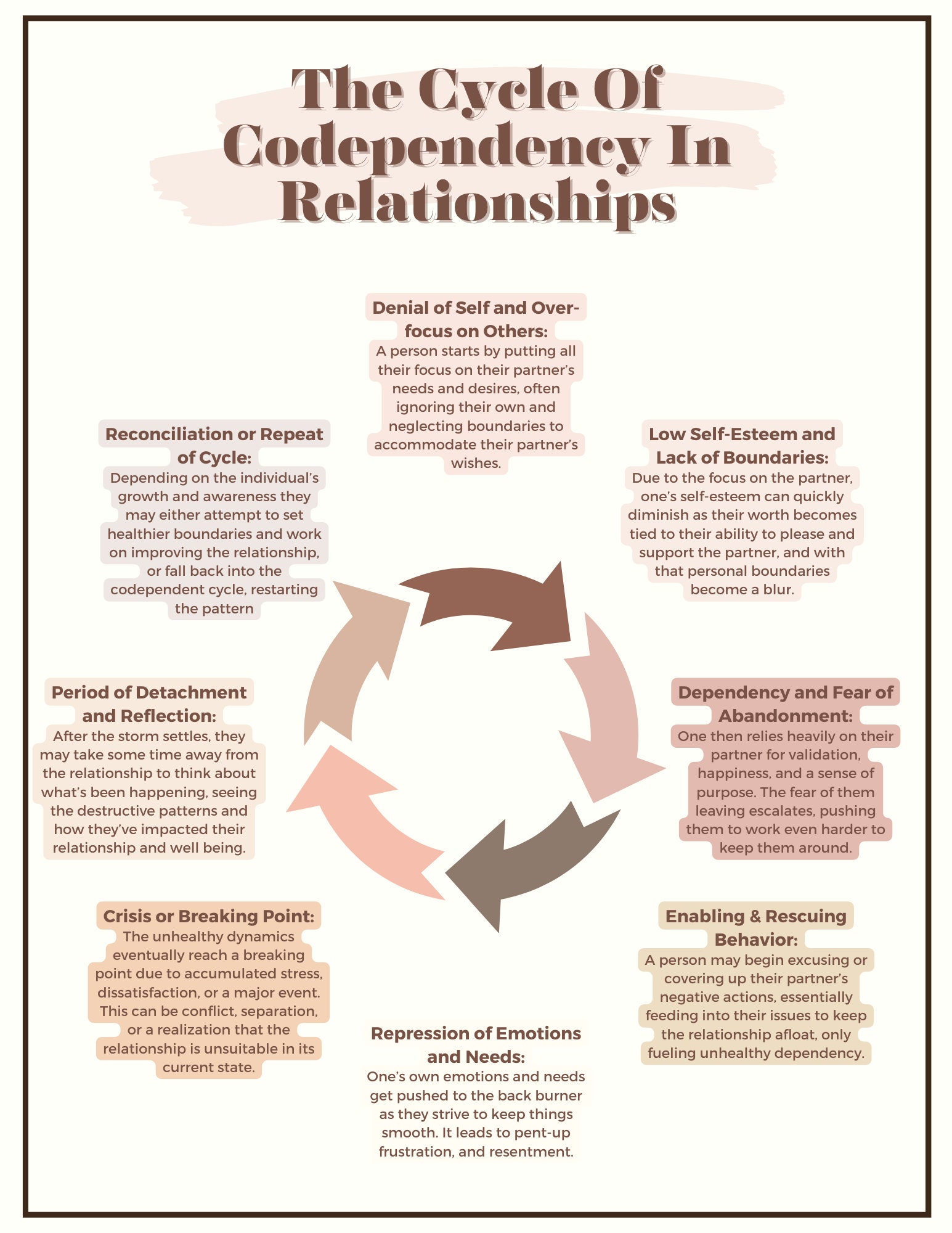
Breaking free from codependency is the first step toward true self-love. It means learning to care for yourself without losing your identity. Codependency often hides behind habits of people-pleasing and ignoring your own needs. Recognizing these patterns helps you change your life for the better.
Recognizing Unhealthy Patterns
Notice how you react in relationships. Do you always put others first? Do you feel responsible for others’ feelings? These are signs of codependency. Recognizing these patterns is key. It helps you see where change is needed. Start by writing down your feelings and actions.
Building Emotional Awareness
Pay attention to your emotions. Understand why you feel sad, angry, or anxious. Emotional awareness helps you control your reactions. It also teaches you to value your feelings. Practice mindfulness or journaling daily. This builds a stronger connection with your inner self.
Seeking Support And Therapy
Talking to a counselor can guide your healing process. Therapists provide tools to set healthy boundaries. Support groups offer a safe space to share experiences. You do not have to face codependency alone. Help is available and effective in building self-love.

Credit: www.healinggirlgang.com
Cultivating Self-love
Cultivating self-love is key to breaking free from codependency. It helps you build confidence and respect for yourself. Self-love is not selfish. It is the foundation for healthy relationships.
By learning to love yourself, you attract genuine love from others. This process takes time and practice. Small daily habits can make a big difference.
Daily Affirmations And Mindfulness
Start each day with positive affirmations. Say simple statements like “I am worthy” or “I deserve love.” These words shape your thoughts and feelings. Mindfulness helps you stay present and aware of your emotions. Take deep breaths and notice your thoughts without judgment. This practice reduces negative self-talk and boosts self-esteem.
Setting Healthy Boundaries
Boundaries protect your well-being. They show others how you want to be treated. Saying “no” is a sign of self-respect. Boundaries stop others from taking advantage of you. Clear limits help build trust and respect in relationships. Practice setting small boundaries and grow from there.
Practicing Self-care Rituals
Self-care is more than pampering. It means meeting your needs daily. Eat nourishing food, get enough sleep, and move your body. Find activities that bring joy and calm, such as reading or walking. Regular self-care strengthens your self-love and resilience. It reminds you that you matter.
Attracting Genuine Relationships
Attracting genuine relationships starts with a strong sense of self-love. Real connections grow from honesty and respect, not from neediness or fear. Building true bonds means being open and clear about who you are. This creates space for others to connect with the real you.
Embracing Vulnerability
Showing your true feelings can feel scary. Vulnerability means sharing your thoughts without hiding behind walls. It helps others see your real self. This honesty builds trust and deepens relationships. Vulnerability invites others to be open too, creating a safe space for connection.
Communicating Authentically
Speak clearly about your needs and feelings. Avoid guessing what others want or expect. Honest communication prevents misunderstandings and builds respect. Listen as much as you talk. Authentic conversations help both people feel valued and understood.
Choosing Partners Wisely
Look for partners who respect your boundaries and values. Avoid those who drain your energy or ignore your needs. Healthy partners support your growth and happiness. Take time to know someone before fully trusting them. Wise choices lead to lasting and loving relationships.
Sustaining Healthy Love
Sustaining healthy love takes effort and care every day. It means keeping a balance between yourself and your partner. Healthy love grows stronger when both people feel free and respected. It builds a safe space where real connection can thrive.
Strong love is not about losing yourself. It is about sharing life while staying true to who you are. This section explores key ways to keep love healthy and lasting.
Maintaining Independence
Independence is the heart of lasting love. Each person needs time to think and grow alone. Pursue your hobbies, goals, and friendships. This keeps your identity alive and fresh. It stops feelings of being trapped or controlled. Healthy love respects personal space and freedom.
Nurturing Mutual Respect
Respect means valuing each other’s feelings and opinions. Speak kindly and listen with care. Avoid criticism or harsh words. Celebrate differences and find common ground. Respect builds trust and safety in the relationship. It creates a bond that can handle challenges.
Growing Together Over Time
Love is a journey, not a destination. Share your dreams and fears openly. Support each other through changes and struggles. Learn new things together and keep your connection alive. Growing side by side makes love deeper and stronger.
Frequently Asked Questions
What Is Codependency And How Does It Affect Relationships?
Codependency is excessive emotional reliance on others. It causes unhealthy boundaries and loss of self-identity. This weakens relationships and prevents genuine connection.
How Can I Build Unshakeable Self-love Daily?
Practice self-care, set boundaries, and affirm your worth regularly. Embrace your strengths and forgive your flaws to nurture self-love consistently.
Why Is Self-love Essential For Attracting Real Love?
Self-love creates confidence and emotional stability. It helps you attract healthy, fulfilling relationships based on mutual respect and genuine connection.
How Do I Recognize Unhealthy Codependent Behaviors?
Look for people-pleasing, fear of rejection, and neglecting your needs. Awareness is the first step to overcoming codependency and fostering self-love.
Conclusion
Breaking free from codependency starts with loving yourself first. Self-love builds a strong foundation for healthy relationships. It helps you set boundaries and respect your own needs. Real love grows when you feel whole alone. Trust your journey and be patient with yourself.
Small steps lead to big changes over time. Embrace your worth and choose connections that lift you up. You deserve love that feels safe and true. Keep focusing on yourself, and love will follow naturally.